
Understanding Your Skin Type
Discover your true skin type and learn how to choose the right natural skincare products for balanced, radiant skin with Iseda’s guide.
9/25/20256 min read
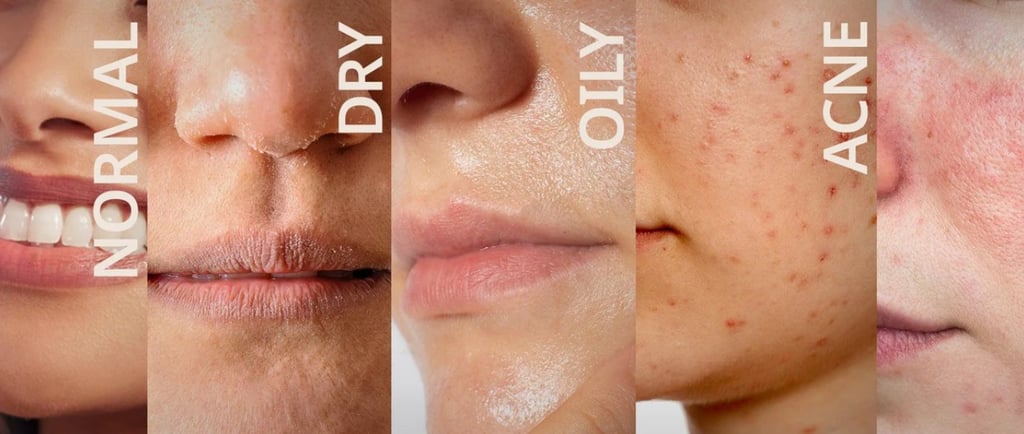
When it comes to skincare, one of the most important (and often overlooked) steps is understanding your skin type. You can spend hundreds of dollars on serums, moisturisers, and masks, but if they don’t suit your skin’s unique needs, they can do more harm than good. The truth is, skincare isn’t one-size-fits-all. Knowing your skin type allows you to choose the right products, build an effective routine, and maintain long-term skin health and balance.
In this guide, we’ll explore how to identify your skin type, what it really means, and how to choose the best products for you.
Why Knowing Your Skin Type Matters
Your skin type determines how much oil your skin produces, how it reacts to environmental stressors, and how it absorbs moisture and active ingredients. Understanding it helps you:
Avoid irritation: Using products that are too harsh or heavy for your skin can cause breakouts, redness, or dryness.
Spend smarter: Instead of guessing and wasting money on the wrong products, you can invest in formulations that truly work for your skin.
Improve results: When your products align with your skin’s needs, you’ll notice better hydration, fewer breakouts, and a more even, radiant complexion.
Create balance: Skincare is about supporting your skin’s natural barrier and function — not stripping or overloading it.
The Five Main Skin Types
Dermatologists generally classify skin into five main types: normal, dry, oily, combination, and sensitive. While genetics play a large role in determining your skin type, factors such as climate, diet, stress, and skincare habits can also influence how your skin behaves.
Let’s break down each type in detail.
1. Normal Skin
Normal skin is the most balanced type — not too oily, not too dry. It has good circulation, small pores, and an even tone. It rarely breaks out or feels tight after cleansing.
Characteristics:
Smooth texture and refined pores
Even complexion with a natural glow
Rarely experiences breakouts or flakiness
Comfortable after washing, not greasy or dry
What it needs:
Maintenance and protection. Normal skin thrives with gentle, hydrating formulas that support barrier health and prevent premature aging.
Ideal ingredients:
Aloe vera, hyaluronic acid, niacinamide, ceramides, antioxidants like vitamin C and E.
Product tips:
Use a mild gel or cream cleanser.
Moisturise daily with a lightweight lotion or emulsion.
Apply SPF 30+ every morning.
Introduce gentle exfoliation (AHA/BHA) once or twice a week.
2. Dry Skin
Dry skin produces less sebum than normal skin, leading to a lack of lipids needed to retain moisture. This often results in tightness, flakiness, and a dull appearance.
Characteristics:
Rough or flaky patches
Feels tight after cleansing
Fine lines may appear more visible
Can look dull or lackluster
What it needs:
Deep hydration and nourishment to replenish lost moisture and restore the skin’s lipid barrier.
Ideal ingredients:
Shea butter, sunflower or jojoba oil, squalane, glycerin, hyaluronic acid, ceramides, panthenol, and oat extract.
Product tips:
Choose a cream or balm cleanser instead of a foaming one.
Layer hydrating serums under a rich moisturiser.
Avoid alcohol-based toners or harsh exfoliants.
Use a humidifier if you live in a dry climate.
Apply facial oils at night to lock in moisture.
3. Oily Skin
Oily skin produces excess sebum, which can lead to enlarged pores, shine, and acne breakouts. However, it also tends to age slower due to higher natural moisture levels.
Characteristics:
Visible shine, especially on the T-zone (forehead, nose, chin)
Enlarged pores
Frequent blackheads or blemishes
Makeup may not stay in place throughout the day
What it needs:
Balance — not stripping. The key is to control excess oil while maintaining hydration.
Ideal ingredients:
Niacinamide, green tea extract, witch hazel (in moderation), clay, salicylic acid, zinc PCA, and lightweight humectants like hyaluronic acid.
Product tips:
Use a gentle foaming or gel cleanser to remove excess oil.
Apply an oil-free moisturiser — hydration is still essential!
Incorporate a clay mask once a week to absorb impurities.
Avoid heavy oils or occlusive ingredients like mineral oil or petrolatum.
Always remove makeup before bed to prevent clogged pores.
4. Combination Skin
Combination skin features both oily and dry areas — usually an oily T-zone (forehead, nose, chin) with drier cheeks or jawline. It’s one of the most common types, but also one of the trickiest to manage.
Characteristics:
Oily T-zone and dry or normal cheeks
Visible pores in some areas
Makeup may look patchy in dry areas and shiny elsewhere
What it needs:
Balance and targeted care. You may need to use different products for different areas.
Ideal ingredients:
Hyaluronic acid, niacinamide, green tea, aloe vera, lightweight emollients like squalane.
Product tips:
Use a gentle, pH-balanced cleanser.
Apply a light moisturiser all over, and add a richer cream to dry areas if needed.
Blotting papers or mattifying serums can control shine.
Use clay masks only on the T-zone, not the entire face.
5. Sensitive Skin
Sensitive skin reacts easily to environmental factors, fragrances, and harsh ingredients. It may sting, flush, or develop rashes when exposed to irritants.
Characteristics:
Redness or visible irritation
Stinging or burning sensations after using certain products
Prone to eczema, rosacea, or allergies
Feels uncomfortable in extreme weather conditions
What it needs:
Calm and protection. Focus on soothing ingredients and minimal formulas without fragrance or alcohol.
Ideal ingredients:
Aloe vera, chamomile, oat extract, panthenol, centella asiatica (cica), squalane, and ceramides.
Product tips:
Patch test every new product before full use.
Avoid exfoliating acids or essential oils unless proven tolerated.
Use fragrance-free, hypoallergenic skincare.
Strengthen your moisture barrier with ceramide-rich creams.
Always wear sunscreen — sensitive skin can be reactive to UV exposure.
How to Identify Your Skin Type at Home
If you’re unsure about your skin type, here’s a simple test you can do:
The Bare-Faced Test:
Start by cleansing your face with a gentle, pH-balanced cleanser.
Pat dry and don’t apply any skincare products for at least one hour.
After one hour, observe how your skin feels and looks.
Results:
Normal: Feels comfortable, not oily or tight.
Dry: Feels tight, possibly flaky.
Oily: Looks shiny, especially on the T-zone.
Combination: Shiny T-zone but dry or normal cheeks.
Sensitive: Feels warm, red, or itchy.
You can also lightly press oil blotting papers on different areas of your face:
If oil appears on all papers → oily skin.
If only the T-zone shows oil → combination skin.
If there’s no oil → dry or normal skin.
Choosing the Right Skincare Products for Your Skin Type
1. Cleansers
Dry/Sensitive: Use cream or milk cleansers with hydrating ingredients like glycerin or oat extract.
Oily/Combination: Opt for gel or foaming cleansers that remove excess oil without over-drying.
Normal: A gentle, non-stripping cleanser works best.
2. Toners
Dry: Choose alcohol-free, hydrating toners with rose water or hyaluronic acid.
Oily/Combination: Look for balancing toners with niacinamide or witch hazel (gentle, not astringent).
Sensitive: Stick to soothing, fragrance-free toners with aloe or chamomile.
3. Serums
Serums are concentrated treatments that target specific concerns like aging, pigmentation, or dehydration.
Dry: Hyaluronic acid, peptides, ceramides.
Oily: Niacinamide, zinc, salicylic acid.
Sensitive: Panthenol, cica, beta-glucan.
4. Moisturisers
Dry: Rich creams with shea butter, squalane, or natural oils.
Oily: Lightweight gel or water-based moisturisers.
Combination: A hybrid texture — gel-cream or emulsion.
Sensitive: Simple, fragrance-free creams with minimal ingredients.
5. Sunscreen
Every skin type needs sun protection — it’s non-negotiable.
Oily/Combination: Lightweight, mattifying SPF.
Dry/Sensitive: Creamy or mineral-based SPF with zinc oxide.
Normal: Any broad-spectrum SPF 30+ suits well.
Common Skincare Mistakes to Avoid
Over-cleansing: Washing too often or using harsh cleansers can damage your skin barrier.
Skipping moisturiser: Even oily skin needs hydration — oil ≠ moisture.
Using too many actives: Mixing acids, retinoids, and vitamin C without guidance can irritate your skin.
Ignoring sunscreen: Sun exposure accelerates aging and pigmentation.
Not adjusting for seasons: Your skin may need richer products in winter and lighter ones in summer.
A Note on Natural and Organic Skincare
Natural skincare products can be incredibly beneficial when formulated well. Ingredients like aloe vera, chamomile, and botanical oils nourish without unnecessary synthetics. However, “natural” doesn’t always mean suitable for all skin types — essential oils, for instance, can irritate sensitive skin if not used correctly. Always read labels, look for formulations backed by research, and choose certified brands that prioritise skin health and sustainability.
If you’re exploring natural skincare, start simple: a gentle cleanser, hydrating toner, nourishing moisturiser, and sunscreen. Gradually introduce serums or masks once you know how your skin reacts.
Final Thoughts
Your skin is unique — and it deserves care that respects that individuality. Understanding your skin type is the foundation of every great skincare routine. When you choose products designed for your specific needs, you’ll notice not only healthier skin but also more confidence in your natural glow.
Remember: skincare is not about perfection; it’s about balance, awareness, and consistency.
Whether your skin is dry, oily, sensitive, or somewhere in between, listen to what it tells you — and let your routine evolve with it.
Connect
Stay in touch with us
Contact
info@iseda.com.au
© 2025. All rights reserved.